
post

Tips for Maintaining the Health of Your Septic Tank

After the septic tank will require special care and ongoing maintenance from a septic tank service to prevent damage and the development of environmentally hazardous conditions. It is recommended to constantly get septic system inspections in order to determine the performance of your septic system installation. If left untreated, necessary bacteria in the septic tank can stop working correctly and lead to a build-up of sludge. This sludge can cause a clog, which in turn can lead to every homeowners’ worst nightmare – the sewerage back-up and they would need septic tank services company.

Your septic system works by holding wastewater in a tank until the solid remains can settle at the tank’s bottom, which creates a layer of sludge. At this point, the lighter waste will float up, forming the scum layer. In between these layers is clarified water, which flows through an outlet pipe and is dispersed through a drain field. Helpful bacteria and enzymes in the septic tank break down waste and slow the development of the sludge layer. Maintain healthy levels of bacteria in your septic tank in the following ways and don’t forget to constantly get inspections to determine your septic tank’s condition, we also recommend getting septic system pumping or septic cleaning at least every three years.

Be aware of what you flush down the drain. Use septic-safe toilet paper and never flush anything large or harmful down the toilet. The only things that should be going into your septic system are human waste, toilet paper, and waste water.

Conserve water. Keeping an eye on your water consumption is a great way to take care of your septic tank, and your wallet! When large amounts of water are forced through your septic tank it can wash out helpful bacteria. Conserve water by taking shorter showers and shutting off the faucet while brushing teeth. You can also purchase low-flow faucets that reduce flow and conserve water.

Reduce solid waste. Try to cut down on your use of the garbage disposal. Instead, compost leftover food. Never pour grease or any other chemicals down the drain, as they may result in a clog or killing off of good bacteria.

Use a treatment system. These systems usually come in several forms, and are packed with good bacteria needed to keep the ecosystem of your septic tank in healthy condition, even before or after a good septic tank pumping.

If you would like to hear about how Empire Plumbing can help you protect and maintain your septic system by offering the best septic tank services, give us a call today, we recently started offering septic pumping services as well!
post

Tips to Fix a Slow Drain

A slow draining fixture can be a huge annoyance and if left unchecked can lead to a fully clogged drain and overflowing water. You might want to try a few things on your own before calling the pros, which is of course understandable. As such, we have prepared a few ways for you to diagnose and then fix a slow drain before it escalates and causes damage. According to this, homeowners can prevent clogged drains by refraining from putting food waste, grease, and other solids in the drain.

However, if it’s already too late, try unclogging the drain with the following simple tips and get your plumbing flow back!

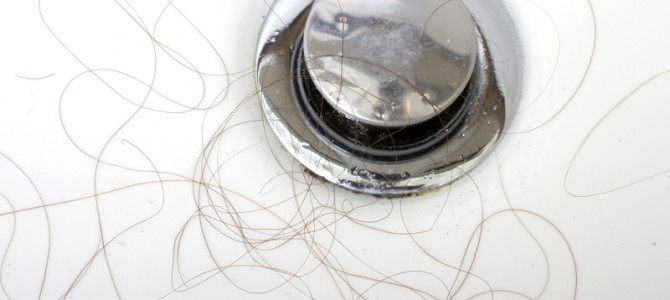
  1. Remove the drain cover of the sink or tub. Sometimes, a build-up of hair and other debris will create a gunky coating on the drain cover which restricts the flow of water. You can easily remove this coating by hand, or by soaking the cover in white vinegar to loosen tougher debris.
  2. Use a plunger. There are separate styles of plungers for sinks and toilets which are pretty effective at unclogging their respective drains. Make sure the cup of the plunger completely covers the drain. Hold the plunger upright, and vigorously plunge 10-20 times to create a buildup in pressure and release the clog. Never undertake any dangerous plumbing work yourself; hire a professional to take care of it.
  3. Use baking soda and vinegar to make your own drain cleaner. Pour a half cup of baking soda down the drain and follow it with a half cup of white vinegar. This should create an acidic reaction which will eat away at the clog in the pipe. Rinse with hot water.
  4. Fashion a metal coat hanger into a DIY drain snake and use it to push or pull the clog through the drain. Be gentle while rooting around in the drain so as not to damage the fixture.

If all else fails, call us today. At Empire Plumbing, we are available 24/7, and we respond quickly to service calls for slowed or clogged drains.

post

Help! What Do I Do in a Plumbing Emergency?

Whether it’s a burst pipe, an overflow, or some water damage, emergencies usually amount to a messy inconvenience that homeowners are forced to deal with. You should immediately contact an emergency service for help. The following list will assist homeowners with steps to take in the event of a plumbing emergency, and may help lessen the stress and panic.

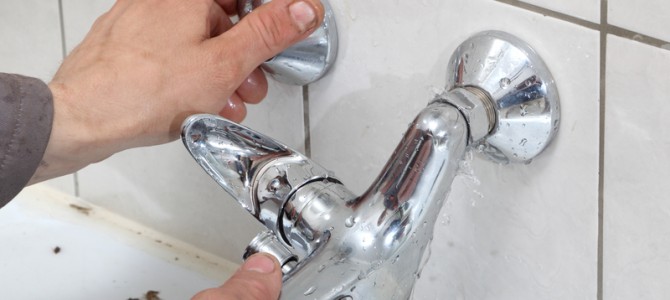
  1. First of all, remain calm. While water rushing all over the floor can definitely raise feelings of panic in anyone, running around the house screaming isn’t going to fix the issue. The first step is to shut off the water supply immediately. You can either shut off the main valve to the home, or shut off the water to a particular fixture. If you turn off the main water supply, be sure to turn off the water heater via the circuit breaker as well. If the water heater continues to run with no water supply, it could overheat and cause severe damage.
  2. If you notice a leaking pipe, turn off the main water supply and call a professional who is an expert in residential plumbing. You may need to replace the pipe or have the plumbing joint re-soldered by a professional plumber.
  3. If you have a leaking appliance, first check the traps. Many times, leaking is caused by a buildup of debris, which causes a clog in the drain and overflowing water. If the drain trap is clear, call a plumber or appliance repair service.
  4. If you have a clogged tub, sink, or toilet, use a plunger to try and unclog the drain. Remove the drain cover in a sink or shower and get rid of any collected hair or debris that is immediately visible inside the drain. If neither of these steps work, call a plumber to professionally perform inspections to determine which causes the problem.
  5. If a toilet is overflowing, you can stop the flow of water by lifting the tank cover and pushing the stopper down into the valve seat. If the toilet is constantly running, it may be that the stopper is not correctly sitting in the valve, or the chain to the handle may be broken, in that case, we’d suggest contacting a plumber.
  6. If you have problems with water damage caused by an overflow, a water damage restoration service is needed. Water restoration is a specialized service that removes water from your home and restores it to a livable, pre-damaged space. A professional water damage restoration contractor can assist you with this plumbing emergency.

If you need a fast response and experienced plumbing or clogged drain, call Empire Plumbing today. We are available 24/7 and will quickly get your plumbing back in order.

post

How to Winterize Your Plumbing to Prevent Frozen Pipes

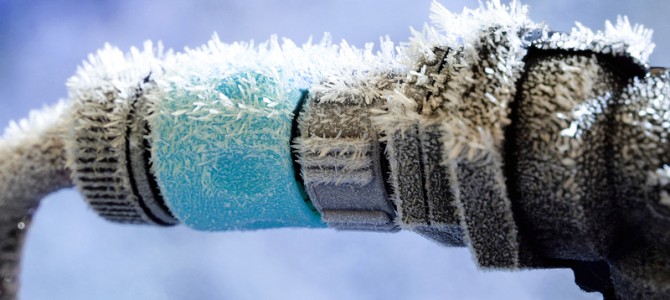
Frozen pipes can create dangerous and costly situations for homeowners. If frozen pipes result in burst pipes, the damage can cost thousands. When temperatures are expected to drop, homeowners can take a few simple steps to prevent plumbing from freezing. Hire an experienced professional to inspect and prepare your pipes for the winter season as well as conduct repairs whenever necessary.

If freezing cold is in the forecast, be sure to do a walk-through of your home and take these precautionary measures, so you don’t have to worry about the possibility of a burst pipe.

Before the weather starts getting cold, be sure to check all outdoor plumbing so you do not end up with ice.

  •  In notoriously cold areas, pipes that are close to exterior walls or are un-insulated can be protected with heat cables or pipe sleeves.
  • If there are areas in your home that are particularly cold, like the basement or bathroom, you can set a space heater on a timer to periodically oscillate warm air throughout the room.
  • In extreme cold, leave a faucet on to trickle in the kitchen. The constant movement of water through the pipes will prevent it from freezing.
  • Leave kitchen and bathroom cabinets open. The warm air in the home will be able to circulate around under-cabinet plumbing fixtures.
  • Keep your thermostat set to at least 55 degrees Fahrenheit, or higher if extreme cold is expected. You can run a ceiling fan on reverse to help circulate warm air if necessary.

If you notice a drastic drop in water pressure, this most likely means that you have a frozen pipe. Call a professional as soon as possible to come out and prevent further damage.

If you can find and access the frozen section, you can use heat pads, space heaters, or even a blow-dryer to try and thaw the pipe while you wait for a plumber. If you suspect that you may have a frozen pipe, or would like professional help in winterizing your plumbing, call Empire Plumbing today.